

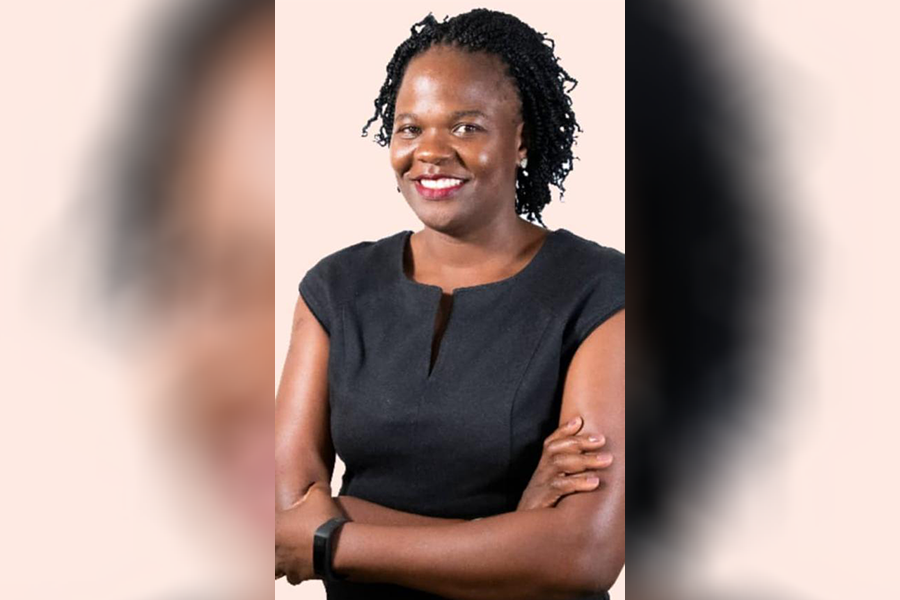
By Deborah A. Maitum
As the world marks International Women’s Day and celebrates Women’s Month, it is an important moment to recognise the growing role women entrepreneurs are playing in shaping Uganda’s economic future. Across the country, from market stalls and farms to offices and boardrooms, women are building businesses that sustain families, create employment and strengthen communities.
Small and Medium Enterprises (SMEs) remain the backbone of Uganda’s economy, accounting for nearly 70 percent of economic activity. Women operate close to 40 percent of these enterprises, highlighting their significant contribution to productivity, innovation and inclusive growth.
Beyond economics, empowering women entrepreneurs is also about justice and equal opportunity. It is about ensuring women have access to the knowledge, financial tools and resources necessary to build sustainable businesses and achieve long-term prosperity.
Uganda’s economic outlook presents a promising environment for entrepreneurship. With the economy projected to grow between six and eight percent annually across key sectors such as agriculture, services and manufacturing, opportunities for business expansion continue to emerge. At the same time, new value chains, particularly in oil and gas, alongside a rapidly growing and youthful population demanding housing, education, transport and financial services, are creating fertile ground for enterprise growth.
For women entrepreneurs, the coming decade could be transformative. It presents an opportunity to build scalable businesses capable of creating jobs, strengthening communities and generating long-term wealth.
However, opportunity alone does not guarantee success.
From our experience working closely with entrepreneurs across Uganda, one key lesson stands out: financial discipline often determines whether a business grows or struggles to survive.
Many businesses fail not because the idea lacked potential, but because their financial structures were weak. Poor record-keeping, mixing personal and business finances, unmanaged cash flow and the absence of clear financial planning can slowly undermine even promising ventures.
For many women operating in informal markets, the realities of daily survival often take priority over long-term financial planning. A common example is the market vendor who borrows money in the morning to purchase produce, sells during the day and repays the loan by evening. Digital lending platforms have made this process easier, enabling faster access to working capital and helping sustain daily business operations.
However, while access to credit improves liquidity, it does not automatically guarantee business growth.
Without tracking revenues and expenses, reinvesting strategically and maintaining proper financial records, businesses risk remaining trapped in a cycle of survival rather than progress. Turnover can easily be mistaken for profit, while expansion may occur without a sustainable financial strategy.
Financial discipline therefore becomes the foundation for sustainable growth.
Another challenge facing many women entrepreneurs is access to finance. Traditional lending systems often require collateral such as land or property, assets that many women historically have not owned due to structural and cultural barriers.
Innovative financing models are helping address this challenge. At NCBA Bank Uganda, solutions such as asset financing allow entrepreneurs to use the asset being purchased whether vehicles, machinery or equipment as collateral. For example, a school proprietor seeking buses to transport pupils can use those buses as security to access financing, enabling business expansion while aligning funding with operational needs.
Short-term working capital solutions are also essential. Many businesses may have predictable revenue streams such as schools expecting tuition payments but still struggle to cover operational costs before the income is received. Structured financial facilities help bridge this gap and ensure business continuity.
Even with these solutions, financial discipline remains central to long-term success.
Financial institutions evaluate not only ambition but also credibility. A clear banking trail, consistent deposits and well-maintained financial records demonstrate reliability. Each transaction processed through a bank account contributes to a formal financial footprint, providing evidence of revenue patterns, growth and responsible financial management.
For women transitioning from informal trade to structured enterprises, this financial footprint can unlock access to larger credit facilities, partnerships and investor confidence.
Financial discipline also extends to governance practices. A clear business plan provides direction for growth. Insurance protects against unexpected risks, while separating household and business finances strengthens transparency and sustainability.
As we celebrate Women’s Month, supporting women entrepreneurs is not only an economic priority but also a matter of fairness and justice. When women succeed in business, families prosper, communities grow stronger and economies become more inclusive.
With financial discipline, mentorship and access to innovative financial solutions, women entrepreneurs can move beyond survival to build thriving enterprises that create jobs, generate wealth and leave lasting legacies for future generations.
Ms Deborah A Maitum is the Head of Human Resources, NCBA Bank Uganda
